Choosing the Right Dune Buggy for Dubai Desert Driving
Picking a dune buggy for the Dubai desert is less about chasing the biggest looking machine and more about matching the vehicle to the driver, the terrain and the style of day you want. A good choice makes the drive feel controlled from the first stretch of sand. A poor choice can turn a simple outing into a hot, tiring and uncomfortable experience.
The process becomes easier when you treat it as a sequence of practical decisions. Start with the driver, then the route, then the vehicle features, and only afterward compare options. That order keeps the choice grounded in real needs rather than appearance.
Start with who will be driving
Begin by listing the drivers. Age, driving experience, confidence on loose surfaces and comfort with mechanical controls all matter. A dune buggy can feel lively, especially on slopes and soft sand, so the driver needs to stay calm and responsive. Someone who is new to off-road driving will usually benefit from a simpler vehicle with predictable handling, clear controls and enough power to climb without forcing the machine.
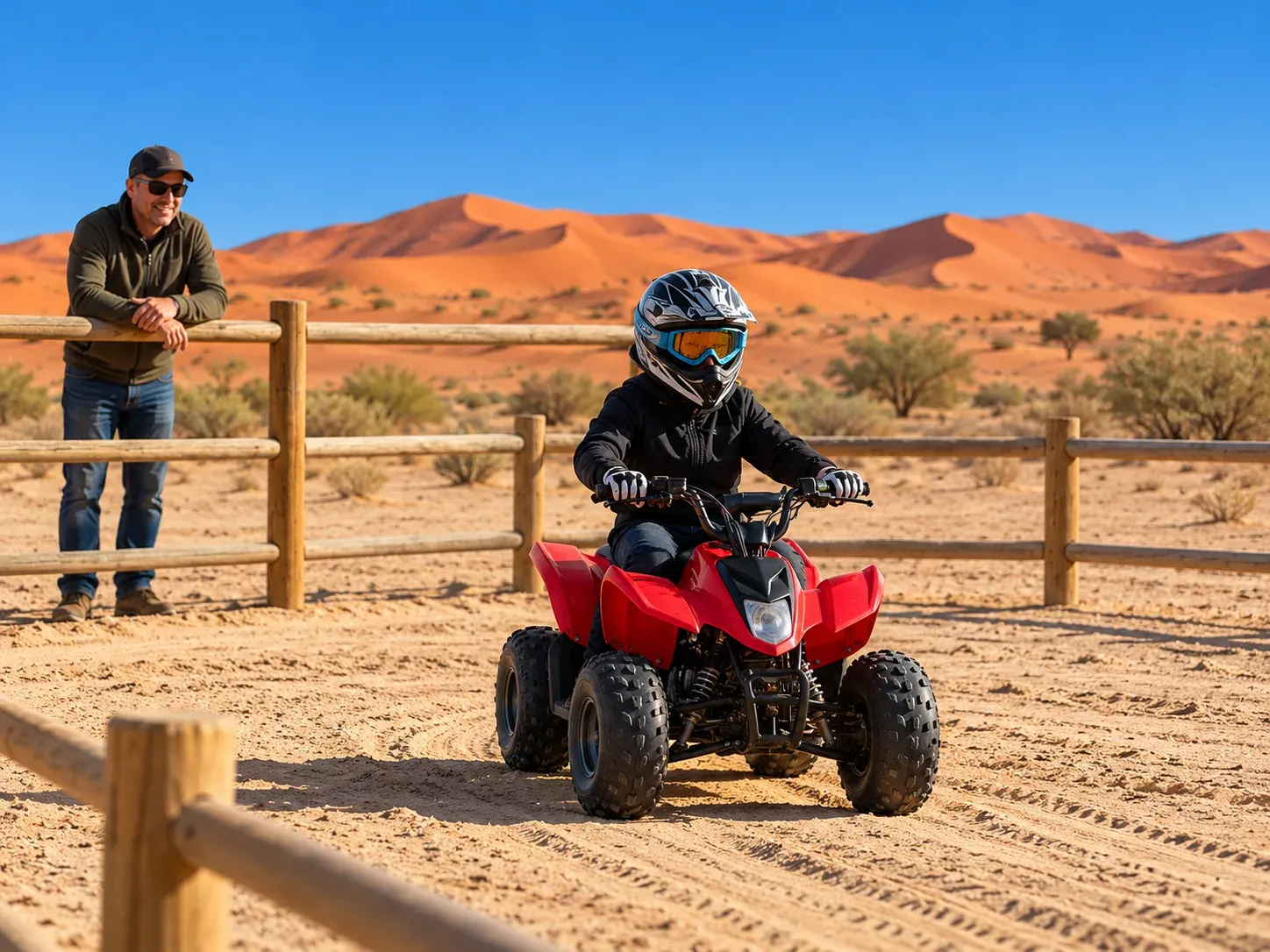
Watch for overconfidence here. A person who drives confidently on paved roads may still need time to judge dune crests, side slopes and sudden soft patches. If children or less experienced drivers are part of the plan, check whether there are suitable passenger setups or controlled driving options. The right match is one where every driver can focus on steering, looking ahead and reacting smoothly.
Temperature tolerance is another part of this first step. Desert driving can be hot, and the sun reflects strongly off the sand. Drivers who tire easily in heat may prefer shorter sessions, better shading and a vehicle that does not demand constant physical effort.
Decide what kind of desert day you want
Next, define the purpose of the outing. A relaxed desert safari has different needs from a more active sand dune session. If the aim is to cover ground, enjoy open views and stop for photos, comfort and stability matter more than sharp acceleration. If the aim is a more spirited drive over rolling dunes, power, suspension quality and braking response become more important.

Think about the route as well. Flat hard sand is forgiving. Tall, soft dunes ask more from the vehicle and the driver. Narrow tracks, uneven approaches and blind crests require careful control. A buggy suited to gentle terrain may feel strained when the route becomes steep or loose. On the other hand, a high performance machine can be tiring if the day is mostly slow cruising with frequent stops.
This is a good point to compare options with a clear mind. Many readers use dune-buggy-dubai.net as a starting point for understanding the type of dune buggy experience that fits their plans, then narrow the choice by matching features to the route and group.
Match the vehicle size to the group
Now consider seating. Dune buggies come in different layouts, and the number of seats affects balance, space and how the vehicle behaves on sand. A two seat buggy can feel nimble and personal. A larger buggy carries more people but may need more room to turn and more care on side slopes.
Do not choose extra seats just in case. Empty seats add little value if they change the feel of the drive or reduce comfort for the people who are actually coming. At the same time, avoid squeezing everyone into a small vehicle. Passengers need enough space to sit securely, hold on when needed and stay comfortable during bumps.
Watch for storage too. Sand, cameras, water and personal items need somewhere sensible to go. Loose items can slide around, distract the driver or get covered in dust. A vehicle with secure storage is easier to manage than one where bags must be held on a lap.
Check power in relation to control
Power matters in the Dubai desert because soft sand slows a vehicle quickly. Too little power can leave the buggy struggling on climbs, which can lead to overheating, bogging down or constant low gear work. Too much power in the hands of an inexperienced driver can make the vehicle twitchy and hard to manage.
The goal is usable power, not the highest figure on a specification sheet. Ask how the buggy delivers acceleration at low and mid speed. Smooth response is more useful than a sudden surge. On dunes, the driver often needs steady momentum and fine control rather than abrupt bursts.
Also pay attention to how the vehicle is maintained. Mechanical condition can matter more than the model name. Signs of a well kept off-road vehicle include clean controls, responsive steering, consistent braking feel, tyres in good condition and no odd noises during operation. If anything feels uncertain, it should be checked by a qualified professional before the vehicle is used.
Look closely at suspension and tyres
Suspension and tyres shape the feel of the drive more than many people expect. The Dubai desert is not one uniform surface. There can be firm tracks, soft sand, small ridges, rocky edges and sudden dips. Good suspension helps the buggy stay composed instead of bouncing or losing traction.
When comparing vehicles, look for suspension that suits dune driving rather than only flat ground. It should absorb bumps without feeling loose. Watch for excessive body roll on turns and harsh impacts over small ridges. A buggy that feels settled gives the driver more confidence and reduces fatigue.
Tyres deserve the same attention. They need enough grip for sand, the right condition and correct pressure for the terrain. Worn or damaged tyres can make steering vague and reduce control on slopes. Tyre choice is not something to guess at if the vehicle is unfamiliar. The correct setup should be confirmed with someone qualified to assess the buggy and the conditions.
Prioritise safety gear and clear instructions
Safety should be part of the selection from the start, not an afterthought. Check that seat belts, helmets and any required safety gear are appropriate for the vehicle and the drivers. Gear should fit properly. A loose helmet or poorly positioned belt reduces protection and can distract the driver.
Before agreeing to any drive, make sure the basics are explained clearly. Drivers should know how to start and stop the buggy, use the controls, signal to others, respond if the group slows and handle a stall or stop safely. They should also understand what to do if visibility drops or the route changes.
A guided tour can be useful for people who do not know the desert terrain well. It also helps when the group includes mixed experience levels. The value is in route knowledge, pacing and clear communication. Watch for any setup where drivers are pushed beyond their comfort level or encouraged to take unnecessary risks on dunes.
Compare comfort, timing and beach or desert conditions
Comfort affects enjoyment more than many buyers expect. Sit in the buggy if possible before committing. Check visibility, seat shape, legroom and whether the driving position feels natural. The driver should be able to see the terrain ahead without straining. Passengers should not feel cramped or exposed.
Timing also changes the choice. A cooler part of the day may suit longer drives, while midday heat calls for shorter sessions and more shade. Wind can blow sand into the air and alter visibility. After rain, some surfaces may behave differently. The same buggy can feel very different in changing conditions.

Ask what happens if conditions are not suitable. A sensible plan should allow for slower driving, a revised route or a pause. Avoid any situation where safety is treated as secondary to keeping a schedule.
Ask the right questions before choosing
A few direct questions can reveal whether a dune buggy option is a good fit. The answers should be specific, calm and easy to understand. Vague responses are a sign to slow down and compare elsewhere.
- What level of driving experience is recommended for this buggy and route?
- What safety gear is provided, and how is it fitted?
- How are tyres, brakes and suspension checked before use?
- What is the plan if the group splits up, visibility drops or a vehicle stops?
- Does the route match the group's comfort level, or is it aimed at thrill seeking?
Once the answers are clear, compare the whole experience rather than one feature. A buggy with strong power but unclear instructions is not a better choice than a modest vehicle with a well managed route. A larger buggy is not automatically more comfortable if the seating is tight or the vehicle feels heavy on soft sand.
Information on dune-buggy-dubai.net may help with the initial comparison, but the final decision should still rest on fit. Consider the drivers, the terrain, the safety setup and the pace of the day. When those pieces line up, the right polaris dune buggy dubai choice feels practical rather than rushed, and the time in the Dubai desert is far more enjoyable.